How to Monetise
Your Website
or Blog
You built your website. People are visiting. Now the obvious question is — how do you actually turn that traffic into money? Here are the ten methods that work, explained honestly.
Here is the honest truth about blog monetisation that most guides skip: there is no single magic method that works for everyone. What works for a tech blog in the US will not necessarily work for a lifestyle blog in Pakistan. What works for a site with 100,000 monthly visitors will not work for a site with 1,000. The trick is matching the right method to your actual situation right now — not to someone else’s situation.
Before You Pick a Method — Read This First
Every blogger who earns well from their site has one thing in common. They did not try to do everything at once. They picked one method, made it work, then added a second. Then a third. If you try to set up AdSense, affiliate links, a digital product, and a membership programme all in the same month, none of them will work properly. Pick one. Get it generating something — even a small amount. Then grow it.


Google AdSense places ads on your blog automatically. When someone visits your site and sees or clicks those ads, you earn money. You do not need to find advertisers, negotiate rates, or manage campaigns. You apply, get approved, add a small piece of code to your site, and Google handles everything else. For most bloggers, this is the first monetisation method they try — and for good reason. It is genuinely passive once set up.
The honest reality is that AdSense earnings are small per visitor. You will typically earn between $1 and $5 for every 1,000 visitors, depending on your niche and audience location. This means you need real traffic before AdSense pays meaningfully. But it is worth setting up early because even small passive earnings confirm that your blog is monetizable — and that is psychologically important when you are building.
Once your blog reaches 50,000 monthly visitors, apply for Mediavine or Ezoic. These premium ad networks pay 3x–5x more than AdSense for the same traffic. Many bloggers earn $500–$2,000 per month from ads alone once they reach this level.

Affiliate marketing is the highest-earning monetisation method for most successful bloggers. You join an affiliate programme, get a unique tracking link, and include that link when you recommend a product in your posts. When a reader clicks your link and buys the product, you earn a percentage of the sale — typically between 5% and 50% depending on the programme.
What makes affiliate marketing work so well is that you are earning on other people’s products without building, stocking, or supporting anything yourself. Your blog post does the selling. Your link does the tracking. The company handles the product and the customer. Your job is simply to write genuinely helpful content that naturally leads readers toward the right product for their situation.
Amazon Associates — millions of products, easy to join, 3%–10% commission. ShareASale — thousands of brands across every niche. ClickBank — digital products paying 30%–75% commission. Impact and CJ Affiliate — premium brands with higher commissions. All are free to join.

A sponsored post is when a company pays you to write a post featuring their product or service on your blog. The payment goes directly to you, upfront, before you even publish. Unlike ads, which pay fractions of a cent per view, sponsored posts pay flat fees — anywhere from $50 for a small blog to $5,000 or more for an established one.
You do not need massive traffic to start getting sponsored posts. What you need is a clearly defined audience that a specific type of brand wants to reach. A blog with 3,000 monthly readers who are all small business owners is more valuable to a business software company than a blog with 50,000 general readers. Niche traffic is worth more than general traffic for sponsorships.

A digital product is anything your readers can download or access online — an eBook, a PDF guide, a set of Canva templates, a checklist, a spreadsheet, or a resource pack. You create it once and sell it an unlimited number of times. No printing, no shipping, no stock, no inventory. Every sale is almost pure profit.
The best digital products come directly from your blog content. If you write about productivity and your most popular post is “My Weekly Planning System,” turn that into a $15 downloadable planning template. If you write about cooking and your readers always ask for your recipes, compile them into a $10 eBook. You already have the product idea sitting in your most popular posts.
Gumroad — the simplest option, free to use, takes a small percentage per sale. Payhip — similar to Gumroad, very beginner-friendly. Your own blog — use a simple payment link from Stripe or PayPal and deliver the file by email. Starting simple is better than waiting for the perfect setup.

Your blog is already proving your expertise to anyone who reads it. That expertise is worth money to people who need it but do not have time to develop it themselves. If you blog about digital marketing, offer consulting calls. If you blog about web design, offer to build websites. If you blog about social media, offer to manage accounts. Your best blog posts are already your CV — you just need to add a “Hire Me” page.
Services earn the fastest money of any monetisation method because there is no waiting for traffic to grow, no approval process, and no product to build. You wrote a “Work With Me” page today. A reader contacts you tomorrow. You earn this week. It really is that direct — especially when you already have some monthly visitors reading your posts.
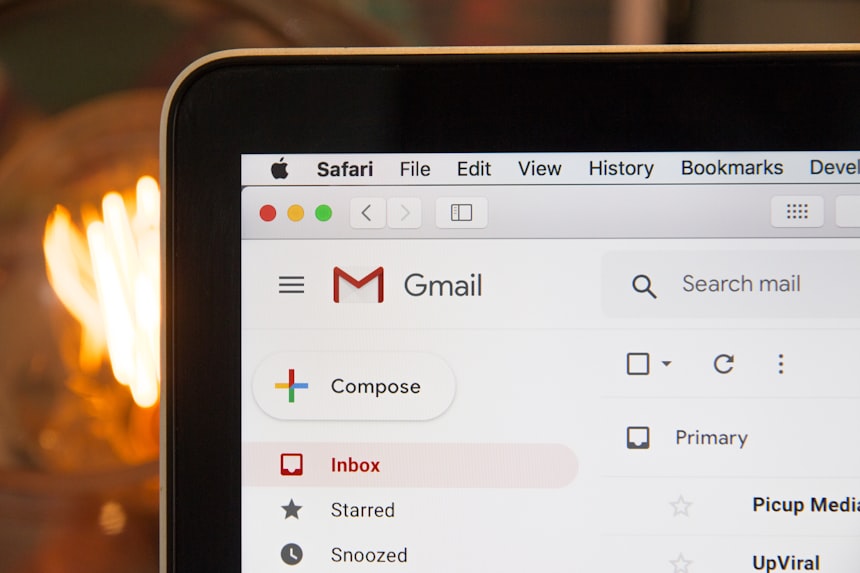
Unlike social media followers or search engine traffic, your email list belongs to you. Google cannot deindex it. Instagram cannot reduce its reach. It is a direct line to your most loyal readers — people who trusted you enough to give you their email address. That trust is commercially valuable in multiple ways: newsletter sponsorships, promoting your own products, driving traffic to affiliate posts, and selling paid access to premium email content.
Add a simple email signup form to your blog right now. Offer something free in exchange — a PDF guide, a checklist, a resource list. Even 100 engaged email subscribers are worth more than 1,000 casual website visitors. Your email list is the monetisation foundation on which everything else can be built.

An online course takes the knowledge in your blog posts and packages it into a structured learning experience that people pay significantly more for. A blog post about how to start freelancing might attract 1,000 readers. A $97 course called “How to Get Your First Freelance Client in 30 Days” might sell 20 copies from those same 1,000 readers — generating $1,940 from the same traffic your blog post already had.
You do not need professional video equipment or a huge audience to launch a course. A well-structured course delivered through simple tools like Gumroad, Teachable, or even a private WhatsApp group can generate real revenue from a small, engaged audience. The course does not need to be perfect. It needs to genuinely help the student get a specific result.

A membership model means your readers pay a monthly or annual fee to access premium content not available to free visitors. This could be in-depth tutorials, exclusive templates, a private community, weekly Q&A sessions with you, or early access to your content. The beauty of this model is predictable recurring revenue — 100 members paying $10 per month is $1,000 every month, reliably, before you even start working.

Every blog post you have already written is a ready-made YouTube video script. You take the same content, record yourself talking through it, add simple visuals, and publish it on YouTube. YouTube pays you through its Partner Programme once you reach 1,000 subscribers and 4,000 watch hours. More importantly, YouTube videos send new traffic back to your blog and help your affiliate links and digital products reach a completely new audience.

Most bloggers never think about this until they stumble across it — but websites and blogs are bought and sold every day on marketplaces like Flippa and Empire Flippers. A blog that consistently earns $500 per month typically sells for $15,000–$20,000. A blog earning $2,000 per month can sell for $60,000–$80,000. The content you are creating today has genuine capital value that you can cash out whenever you choose.
A blog earning $600 per month from AdSense and affiliate marketing for 12 consistent months could sell for $18,000–$24,000 on Flippa today. That is the same as earning that monthly income for 2.5–3.3 years — paid to you all at once. Many bloggers build and sell multiple blogs as their primary income strategy.
All 10 Methods Compared at a Glance
| Method | Speed to First $ | Traffic Needed | Effort | Monthly Potential |
|---|---|---|---|---|
| Display Ads (AdSense) | 2–4 weeks | High (10K+) | Low | $50–$500 |
| Affiliate Marketing | 1–4 weeks | Medium (2K+) | Medium | $200–$5,000 |
| Sponsored Posts | 1–3 months | Medium (3K+) | Medium | $300–$3,000 |
| Digital Products | 1–2 weeks | Low (500+) | Medium | $200–$2,000 |
| Freelance Services | This week | Any | High | $300–$5,000 |
| Email Newsletter | 1–3 months | Low (200+) | Medium | $100–$1,000 |
| Online Courses | 1–2 months | Low (500+) | High | $500–$10,000 |
| Membership | 1–3 months | Low (200+) | High | $500–$5,000 |
| YouTube Channel | 3–6 months | Medium | High | $100–$2,000 |
| Sell Your Blog | 6–12 months | Medium | Low | One-time $15K+ |
The bloggers earning $3,000–$10,000 per month are rarely doing just one of these things. But they all started with just one. They made it work, added a second method that complemented it, then a third. That is how it compounds.
If you are just starting out, the fastest path to your first $100 is affiliate marketing combined with a “Work With Me” page offering a service. No traffic threshold. No approval needed. Just start.
Your blog already has value. Now it is time to convert that value into income — one method, done properly, is all you need to start.


